
Loading...
Loading...
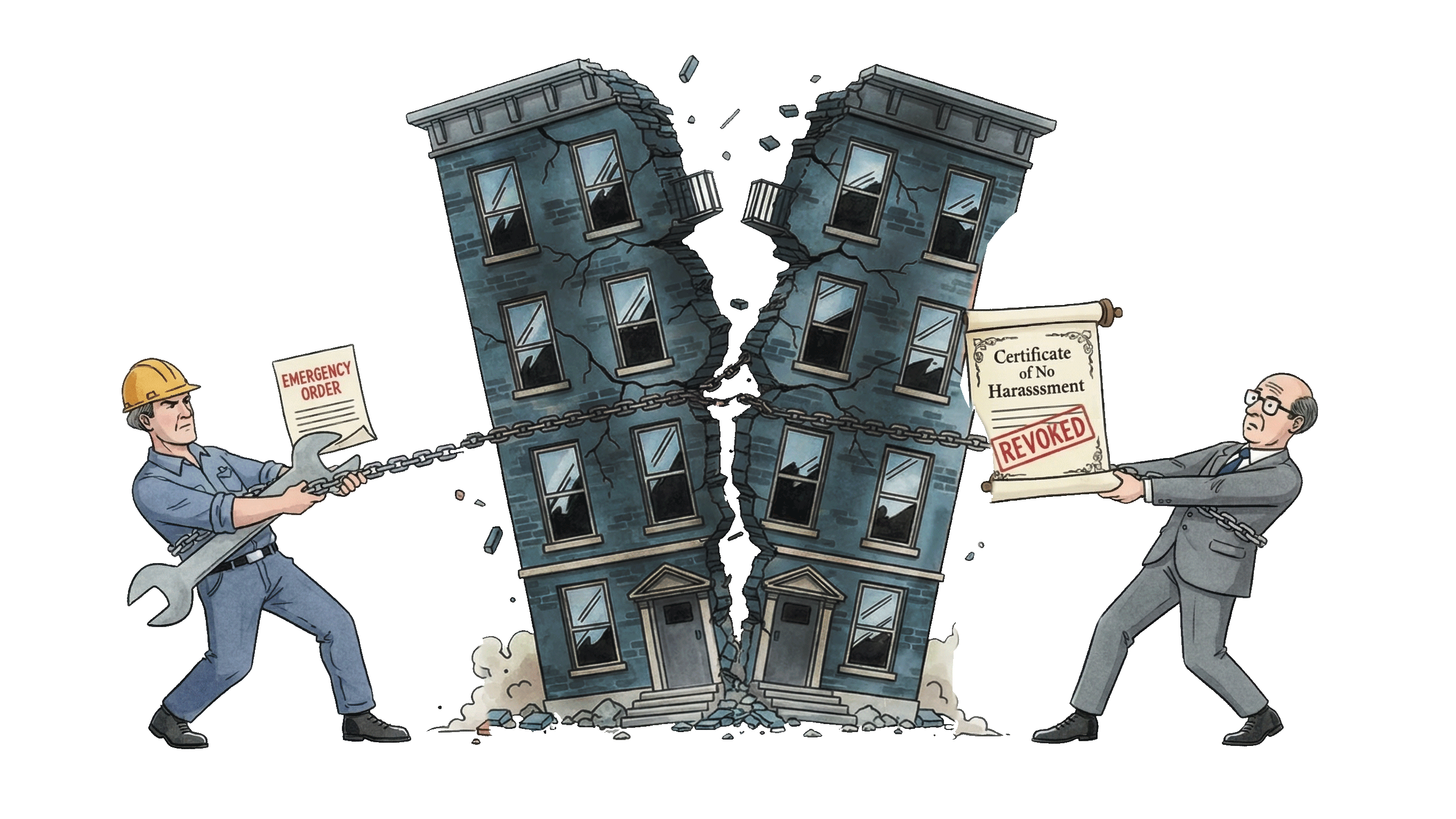
One city agency orders repairs. Another blocks the permits. The building remains at risk.
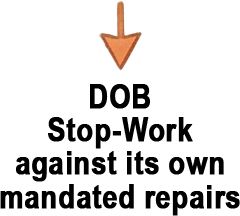
Since DOB’s December 15, 2024 completion deadline passed — repairs still blocked








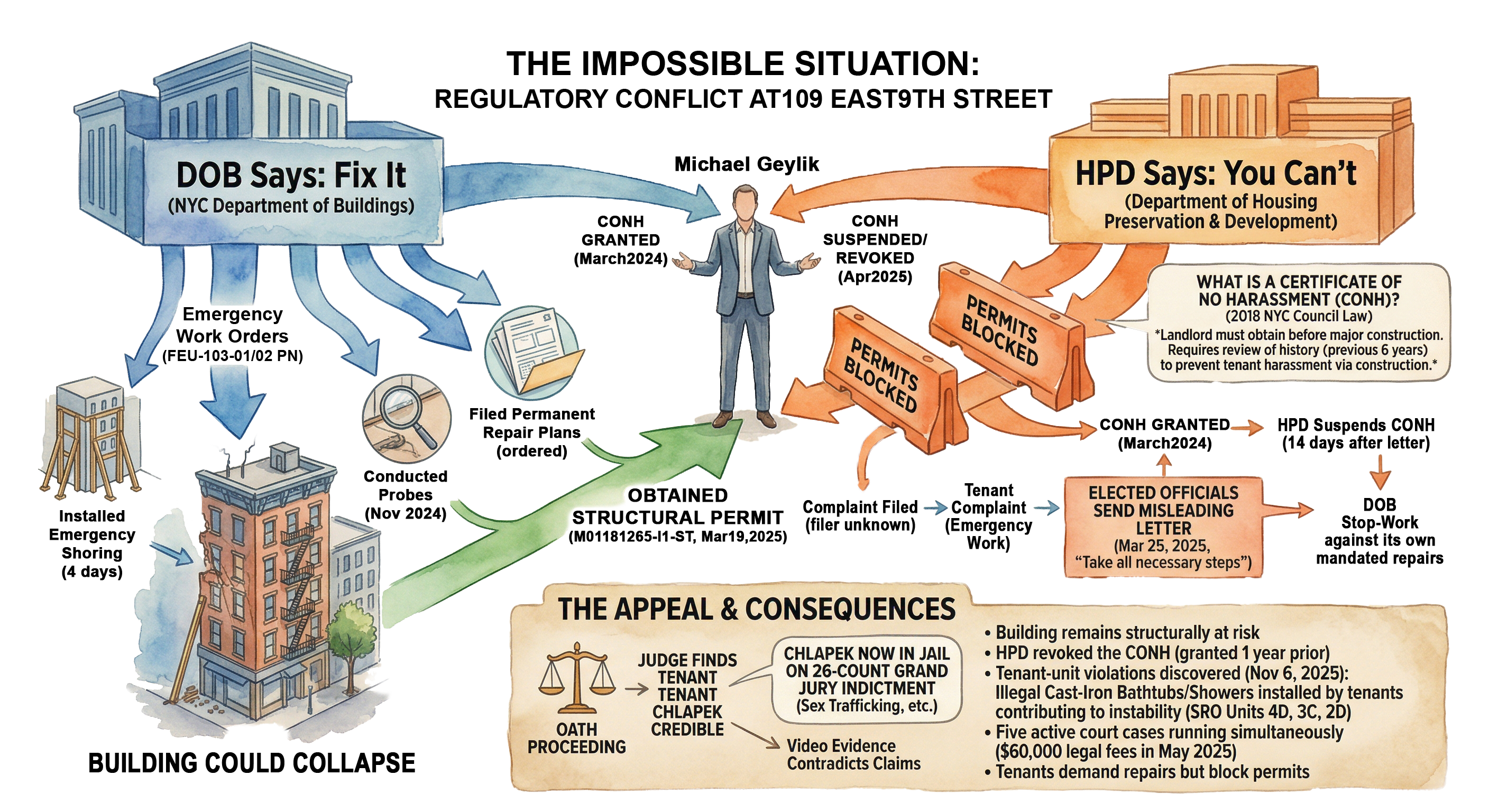
Hover over any element for details
“On one side, I’m being pushed by DOB to fix the building. On the other side, HPD won’t let me.”
— Michael Geylik, as quoted in The Real Deal (August 2025)
Two New York City agencies have created an impossible conflict at 109 East 9th Street:
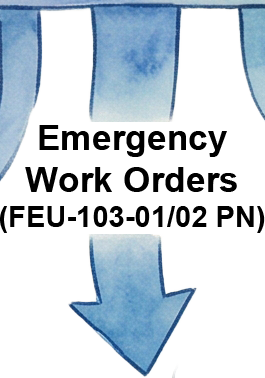
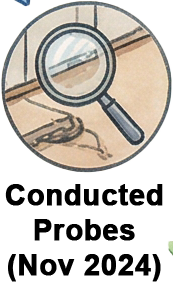
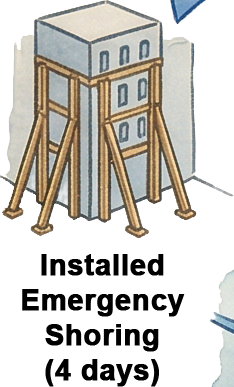
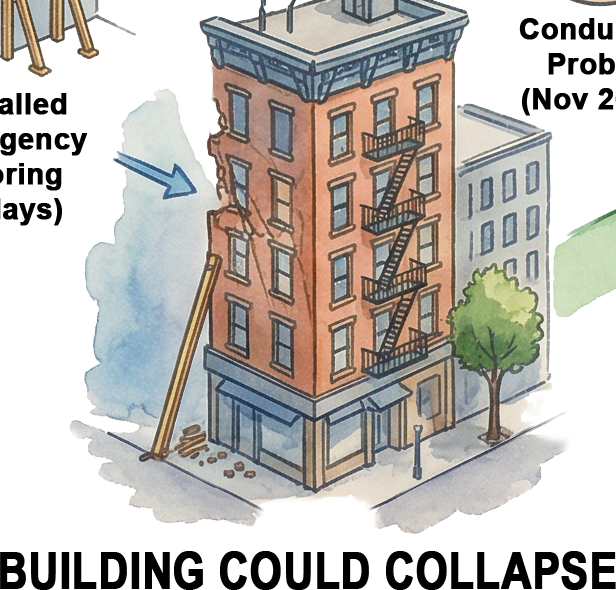
The Department of Buildings issued emergency work orders requiring immediate structural repairs — the building could collapse.
The Department of Housing Preservation & Development suspended the Certificate of No Harassment — blocking the repair permits.
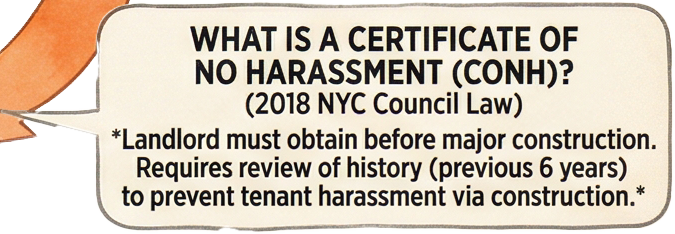
In 2018, the New York City Council added a regulatory requirement for certain buildings, including SROs: before a landlord can perform major construction, they must obtain a Certificate of No Harassment (CONH).
The CONH requires HPD to review the landlord's history over the previous six years to determine if they have harassed tenants. The law was designed to prevent landlords from using construction as a tool to force tenants out of rent-stabilized units.
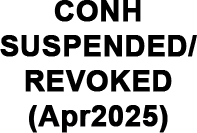
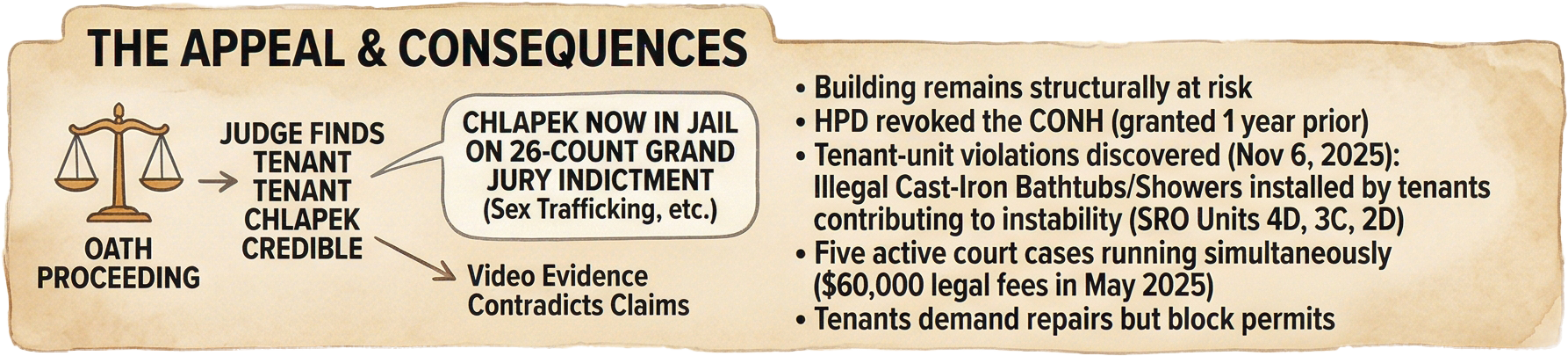
Geylik’s CONH was granted in March 2024 after HPD conducted a thorough 6+ month investigation and determined he was not an unscrupulous landlord. It has since been revoked.
The CONH decision is currently being appealed. The owner does not believe the decision was based on substantial evidence.
Judge Stecura found a number of the tenants’ allegations not credible — yet found tenant Remigiusz Chlapek credible. Chlapek is now in jail on a 26-count Grand Jury indictment for sex trafficking, witness tampering, and other serious crimes. Video evidence exists showing him selling drugs inside and immediately outside the building, and video directly contradicts claims he made during the OATH proceeding.
Tenants Hall, Dukleth, and Beckwith were fully aware of Chlapek's criminal activities, yet only one tenant — Judy Sabin — reported his crimes to the authorities.
The harassment allegations stem directly from the owner's compliance with city regulations — specifically, the mandatory removal of an illegally created kitchen with hazardous gas connections. This removal had to be legalized and signed off by the DOB.
Regarding the tenants’ claims that the owner removed a shower and they only have one remaining: the DOB Violation #391-663-12M (issued following a request from the tenants’ own representation in HP Court) documents illegal bathtubs in Units 4D and 3C, and an illegal standing shower in Unit 2D — all installed by the tenants without permits. These heavy cast-iron bathtubs were never intended for SRO units and contribute to the structural instability and severely sloped floors.
The units are approximately 80 square feet— Single Room Occupancy units, not standard apartments. Kitchens and bathrooms cannot be legally installed without an active CONH, which has been revoked precisely because of these tenants’ harassment allegations.
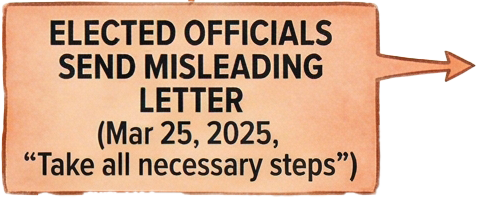
On March 25, 2025, five elected officials — State Senator Brian Kavanagh, Congressman Dan Goldman, Manhattan Borough President Mark Levine, State Assembly Member Deborah J. Glick, and City Council Member Carlina Rivera — sent a letter to HPD Acting Commissioner Ahmed Tigani urging the agency to “take all necessary steps to remedy the egregious conditions in this building, including reevaluating the CONH.”
The officials relied on tenant complaints relayed through Cooper Square Committee without conducting independent investigation or asking the building owner for his account. When agencies receive letters from powerful elected officials, they tend to escalate cases.
Senator Kavanagh later told The Real Deal that his office could have helped Geylik navigate the bureaucracy — but no one had contacted the owner before writing the letter.
The CONH requirement was enacted in 2018 when landlords had a financial incentive to vacate rent-stabilized units. New York State’s Housing Stability and Tenant Protection Act of 2019 removed that financial incentive — but the City Council kept the CONH law on the books and even expanded it in 2021.
The result is a regulation designed for a problem that no longer exists, applied to a building owner who was already cleared of wrongdoing, preventing emergency repairs that the city itself ordered.